Manual Handling Injuries in Winter: Prevention Tips & First Aid for Strains
Winter often brings stiffer muscles, cold starts, and a higher risk of manual handling injuries. Whether it’s lifting boxes, moving equipment, or repetitive bending, strains and sprains are some of the most common workplace incidents.
Here’s how to prevent them — and what to do when they happen.
Why Manual Handling Injuries Increase in Winter
- Muscles are colder and less flexible
- Staff rush to get tasks done
- Reduced mobility in bulky winter clothing
- Slippery surfaces affect balance
A small twist or awkward lift can lead to days or weeks off work.
Prevention Tips for Workplaces
- Warm Up Before Physical Tasks
A quick stretch or mobility routine helps prevent injury.
- Use Mechanical Aids
Trolleys, pallet jacks, and team lifts exist for a reason.
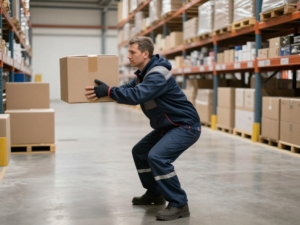
- Encourage Good Technique
- Bend knees
- Keep load close
- Avoid twisting
- Lift with legs, not back
- Plan the Lift
Clear the path, check the weight, and ask for help if needed.
First Aid for Strains & Back Pain
- Rest
Stop the activity immediately.
- Ice
Apply a cold pack for 20 minutes every 2 hours for the first 48 hours.
- Compression
Use a bandage for joint sprains (not for back injuries).
- Elevation
Helps reduce swelling in limbs.
- Pain Relief
Paracetamol or ibuprofen if appropriate.
- Seek medical help if:
- Pain is severe
- There’s numbness or tingling
- The person cannot move normally
- Symptoms don’t improve within 48 hours
Final Thoughts
Manual handling injuries are common but preventable. A little planning, good technique, and quick first aid can keep your team safe and reduce downtime.